

Ever dug through a jar of old coins and spotted a penny with two wheat stalks on the back? That simple coin might be worth far more than one cent. The Lincoln Wheat penny has fascinated collectors for over a century — and in recent years, its value has quietly climbed, turning everyday change into real treasure.
In this guide, we’ll explore Lincoln Wheat penny values from 2015 to 2025, why collectors love them, and how you can spot valuable coins hiding in plain sight.
What Is a Lincoln Wheat Penny?

The Lincoln Wheat penny (1909–1958) is one of America’s most iconic coins. Designed by Victor David Brenner to honor Abraham Lincoln’s 100th birthday, it features:
- Front (Obverse): Lincoln’s profile
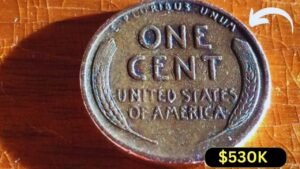
- Back (Reverse): Two wheat stalks framing “ONE CENT”
These coins were mostly made of copper, giving them that warm reddish-brown glow collectors love. During World War II (1943), the U.S. even struck them in steel to conserve copper for military use — making those steel pennies a famous collectible.
A Brief History Behind the Design
Commissioned under President Teddy Roosevelt, the Wheat penny was part of a national effort to beautify American coinage. Its clean design and connection to Lincoln’s legacy made it a hit. Production continued for nearly 50 years until the Lincoln Memorial design replaced it in 1959.

Today, Wheat pennies are more than coins — they’re a slice of American history.
Value Trends (2015–2025): From Pocket Change to Profit
Over the past decade, Lincoln Wheat pennies have seen steady value growth — especially for uncirculated or rare varieties. Here’s how the market evolved:
| Year | Circulated Value | Uncirculated Value | Market Trend |
|---|---|---|---|
| 2015 | $0.10–$0.50 | $2–$5 | Stable demand |
| 2018 | $0.15–$0.60 | $3–$8 | Online collector surge |
| 2020 | $0.20–$0.80 | $4–$10 | Pandemic collecting boom |
| 2023 | $0.25–$1.00 | $6–$12 | Inflation lift |
| 2025 | $0.30–$1.20 | $7–$15 | Collector market peak |
Rare Key Dates (2015–2025 Growth)
| Coin Variety | 2015 Value | 2025 Value | Growth |
|---|---|---|---|
| 1909-S VDB | $700–$1,500 | $1,200–$3,000 | +100% |
| 1955 Doubled Die | $800–$1,200 | $1,400–$2,000 | +67% |
| 1943 Bronze Error | $50k–$100k | $120k–$200k | +100% |
These increases show that Wheat pennies remain a smart, affordable investment for collectors.
Record Sales and Collecting Highlights
- A 1943 Bronze Wheat penny sold for $1.7 million, proving small coins can hold massive value.
- The rare 1909-S VDB penny hit $168,000 at auction in 2018.
- Over 25 billion Wheat pennies were minted, but pristine ones are increasingly rare.
Quick Tips for New Collectors
- Check date and mint mark: Look for “S” (San Francisco), “D” (Denver), or no mark (Philadelphia).
- Inspect for errors: Doubled dies, off-center strikes, and minting flaws add big value.
- Grade your coins: Use PCGS or NGC for professional grading.
- Store properly: Keep in coin albums or holders to prevent oxidation.
- Buy and sell smart: Use trusted platforms like eBay, Heritage Auctions, or Stack’s Bowers.
Frequently Asked Questions
1. What’s the rarest Lincoln Wheat penny?
The 1943 Bronze and 1944 Steel pennies are among the most valuable, often selling for six figures.
2. Are Lincoln Wheat pennies still found in circulation?
Occasionally. While rare, some still appear in pocket change or old jars.
3. How can I check a penny’s value?
Use free coin apps or value charts, but always confirm with a professional grader.
4. Have Wheat penny prices dropped recently?
No. As of 2025, collector demand is strong, with uncirculated coins up roughly 15% since 2023.
5. Where should I sell my collection?
Try local coin shops, certified auctions, or reputable online marketplaces.
Final Thoughts: Tiny Coins, Big Potential
From 2015 to 2025, Lincoln Wheat penny values have shown steady, reliable growth — a perfect blend of history and profit potential. Whether you’re new to collecting or rediscovering old change, every penny could be a piece of hidden treasure.