

For over a century, Wheat Pennies — also known as Lincoln Wheat Cents — have captured the hearts of coin collectors and history lovers alike. But in the last 12 years, their values have soared dramatically. Once worth only a few cents, these humble copper coins are now fetching hundreds or even thousands of dollars in the collector’s market.
So, are you unknowingly holding a rare piece of history in your pocket or coin jar? Let’s uncover why Wheat Pennies have become one of the most sought-after coins in America.
What Are Wheat Pennies?

Wheat Pennies were minted from 1909 to 1958, featuring Abraham Lincoln on the front and two wheat stalks on the reverse — symbols of growth and prosperity.
Created by Victor D. Brenner to honor Lincoln’s 100th birthday, these coins replaced the Indian Head cent and became the first U.S. coin to feature a real person. Their design and historical timing made them an instant classic, especially as they circulated through both World Wars and the Great Depression.
How Wheat Penny Values Have Changed
Over the past decade, collector demand and online auctions have driven up prices for both rare and common dates. Even average-condition coins have seen steady appreciation, while rare mintmarks and error coins have skyrocketed in value.
Wheat Penny Value Growth (2012–2024)
| Year | Average (Common Dates) | Rare Key Dates (Avg.) | Market Trend |
|---|---|---|---|
| 2012 | $0.05 – $0.10 | $150 – $500 | Stable |
| 2015 | $0.10 – $0.25 | $300 – $1,000 | Rising |
| 2018 | $0.25 – $0.75 | $500 – $2,500 | Strong Growth |
| 2020 | $0.50 – $1.00 | $1,000 – $3,500 | High Demand |
| 2024 | $0.75 – $2.00+ | $2,500 – $10,000+ | Record Highs |

Even modest coin collections have gained value, proving that small change can become a big investment with patience and knowledge.
Why Wheat Pennies Are Valuable Today
Collectors are drawn to Wheat Pennies for three main reasons:
- Rarity: Low-mintage years and unique mint errors are highly prized.
- Historical significance: Each coin carries a piece of American history.
- Accessibility: Even beginners can find Wheat Pennies in old jars, rolls, or inherited collections.
Coins with mint marks (S for San Francisco or D for Denver) or coins in uncirculated condition often command higher prices.
Most Valuable Wheat Pennies (2024 Update)
| Coin Type | Special Feature | Estimated Value (2024) |
|---|---|---|
| 1909-S VDB | Designer initials on reverse | $1,000–$3,000+ |
| 1914-D | Low Denver mintage | $2,000–$8,000+ |
| 1922 No D | Missing mint mark error | $1,500–$6,000+ |
| 1931-S | Great Depression rarity | $100–$300+ |
| 1943 Copper | Minted in copper instead of steel | $100,000+ |
| 1955 Doubled Die | Double-stamped obverse | $1,000–$10,000+ |
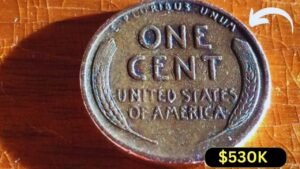
These coins have consistently ranked among the top-performing U.S. collectibles in the past decade.
Expert Tips for Collectors
How to Identify and Evaluate Wheat Pennies
- Check dates and mint marks: Focus on early years (1909–1930s).
- Use a magnifier: Look for doubling, cracks, or misprints.
- Weigh the coin: A real 1943 copper penny weighs 3.11 grams, unlike steel versions.
- Get coins graded: Certified coins by NGC or PCGS fetch higher prices.
- Search coin rolls or estate sales: Hidden treasures still surface today.
Proper storage in dry, airtight holders is also key — oxidation can quickly reduce a coin’s value.
FAQs – Wheat Penny Values
Q1. Can you still find Wheat Pennies in circulation?
Yes, though rare, they occasionally turn up in change, bank rolls, or old collections.
Q2. What’s the rarest Wheat Penny?
The 1943 Copper Penny — only a few exist, and they can sell for six figures.
Q3. How do I know if my Wheat Penny is valuable?
Check the year, mint mark, and condition. Coins from 1909–1931 are usually more collectible.
Q4. Where can I sell my Wheat Pennies?
Reputable coin dealers, online auctions (like eBay), or coin shows are your best options.
Q5. Should I clean old Wheat Pennies?
No — cleaning can damage the surface and lower the coin’s value significantly.
The Timeless Allure of Wheat Pennies
For collectors, Wheat Pennies represent more than metal — they’re pieces of American history that connect generations. Their rise in value over the past 12 years proves that even the smallest coins can hold extraordinary worth.